
From Finance to Fit Tech: A Conversation with Eric Lee of Alvanon
The piece below was written by a Berkeley College Fashion Merchandising and Management student as part of the capstone course during their final semester. Graduating students meet with an industry professional, discuss their career journeys, and reflect on their key takeaways. These experiences help students build industry connections, expand their professional networks, and gain valuable insights as they begin their own careers.
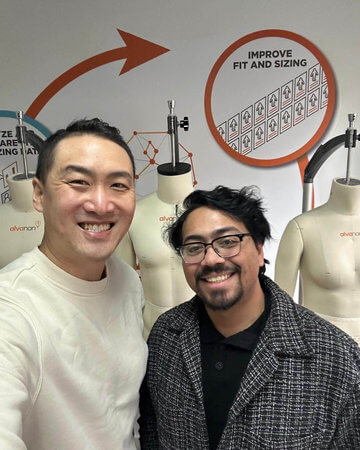
Photo Caption:
(L to R) Eric Lee, Executive Director for the Americas, Alvanon; and Louis Candelario, Fashion Merchandising and Management, Class of 2026
When most people think about fashion, they usually think about design, trends, or the runway. But after interviewing Eric Lee, the Executive Director for the Americas at Alvanon, Lee offered the important reminder that one of the biggest issues in fashion is something much more technical: it is proper fit.
Alvanon is a company known for its technical dress forms, digital body standards, and consulting services that help brands and retailers improve sizing consistency. What makes the company especially interesting is that it sits at the intersection of fashion, data, technology, and product development.
Eric Lee’s Career Path into Fashion Technology
One thing that surprised me right away was that Lee did not begin his career in fashion. He started out in finance, then shifted into sourcing, marketing, and e-commerce roles in Asia before moving into fashion technology. That journey stood out because it shows that there is no one perfect path into the fashion industry. Sometimes a background in another field can become a strength. In Lee’s case, his experience in finance and business helped him develop the skills to solve problems and think strategically, which now apply directly to the work he does at Alvanon.
How Alvanon Connects Fashion, Data, and Product Development
In his current role, Lee leads Alvanon’s customer-facing teams across the Americas. He explained that his job is part sales, part relationship-building, and part strategic problem-solving. A big part of his day is spent speaking with brands and retailers, understanding their fit and sizing challenges, and helping them determine how Alvanon’s products and services can support them. While Alvanon is best known for its physical dress forms, Lee made it clear that the company is much more than that. Alvanon’s real purpose is to help brands create a single source of truth for fit, so sizes stay more consistent across categories, seasons, and even factories.
Why Fit and Sizing Consistency Matter in Fashion
One of the main themes that kept coming up throughout the interview was inconsistency. Lee explained that even within the same brand, a size medium may not actually be the same across shirts, jackets, or sweaters. That really stood out because, as someone who shops and works in fashion, I have seen that problem firsthand. He also spoke a lot about how the industry is slow to change. Even though digital design tools, body data, and virtual try-on technology are advancing quickly, many brands still operate with an old-school mindset and resist a full rethink of their product development process.
The Role of AI, Digital Fitting, and Virtual Try-On Technology
Lee’s insights on where the industry is headed were honestly one of the most exciting parts of the conversation. He discussed how AI, digital fitting, and agent commerce will transform how customers shop and how brands design products. At the same time, he was honest about the learning curve. Technology can help, but only if brands are willing to break down silos, communicate across teams, and use data meaningfully.
Key Takeaways for Future Fashion Professionals
The advice he gave to new professionals was powerful. Lee emphasized being open-minded, learning across functions, and avoiding getting trapped in one silo. The most impactful piece of advice Lee shared was that: no matter what industry a person is in, a lot of business comes down to understanding people and solving their problems.
The biggest takeaway from this interview is that the future of fashion will not only belong to the most creative people, but also to those who can connect creativity, technology, and real-world problem-solving.
The views and/or opinions in this article are those of the individuals interviewed. The academic achievements and/or employment outcomes described in this article are specific to each individual and are not a guarantee of similar results for past or current students. For up-to-date and detailed information, please visit BerkeleyCollege.edu and view our catalogs at BerkeleyCollege.edu/publications.