Health Sciences
Nursing

Questions and Answers with Berkeley College Nursing Program Leaders
Skilled nurses – at all levels – are in high demand. According to the Bureau of Labor Statistics, employment of registered nurses is projected to grow faster than the average for all occupations between now and 2034, while the outlook for nurse practitioners is expected to grow much faster than average over the same period.
To prepare the next generation of healthcare professionals, the Berkeley College School of Health Studies offers a range of career-focused Nursing programs in New Jersey and online, including Practical Nurse, LPN to BSN (a bridge program in which Licensed Practical Nurses can transition to a Bachelor of Science in Nursing degree), and a Master of Science in Nursing (MSN) Family Nurse Practitioner program.
Insights from Berkeley College nursing leaders
We recently spoke with Dr. Kandis McLean, FAWHONN, DNP, FNP-C, NEA-BC, RNC-OB, RNC-MNN, C-EFM, CHSE, C-OBE, Chair of the Nursing department and Caterina Sousa, MSN Ed, APRN, FNP-C, CNE, Director of the Berkeley College Master of Science in Nursing (MSN) program to get their insights on the state of the Nursing profession and how Berkeley College is preparing future professionals.
Please discuss some of your professional accomplishments and how Berkeley College Nursing students benefit from your experience.
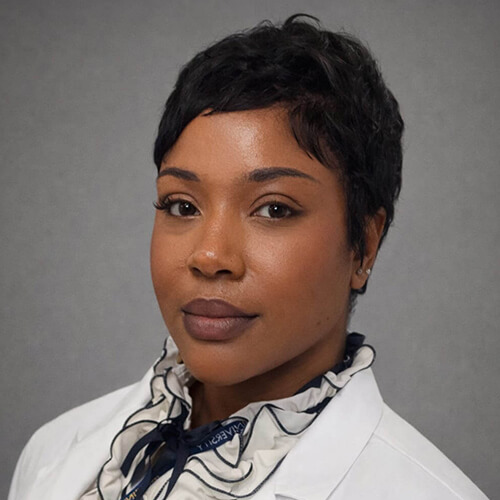 McLean: I am a practicing Family Nurse Practitioner in obstetrics and a maternal health scientist. I proudly joined the Berkeley College family in April 2026 and am ecstatic about supporting the undergraduate nursing students. I have been inducted as a Fellow into the Association of Women's Health and Neonatal Nursing (AWHONN) since 2024 as a maternal scholar and was awarded the AWHONN DEI top award in June 2026. I am pursuing my second doctoral degree in Nursing Philosophy Research at Adelphi University with a focused dissertation on utilizing the pedagogy of simulation to improve knowledge retention in undergraduate students. As a certified simulation educator, I create scenarios to foster critical thinking skills in nursing and address diversity, equity, and inclusion with high-fidelity simulations and psychologically safe debriefing. My publications have focused on access to equitable care for women and policy changes to reduce maternal mortality and morbidity in BIPOC [Black, Indigenous, and People of Color] populations.
As Chair of the Undergraduate Nursing Program, I teach the following courses: Nursing Research, Nursing Leadership, and Community Health, in which I introduce the value of research in healthcare and how nurses play an active role in reducing health disparities while promoting evidence-based practice.
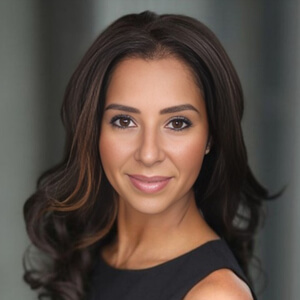 Sousa: My professional accomplishments include earning a Master of Science in Nursing Education, completing a Post-Master’s Family Nurse Practitioner Certificate, and obtaining my Certified Nurse Educator (CNE) credential through the National League for Nursing. I am also currently completing my terminal degree, the Doctor of Nursing Practice (DNP), with an anticipated graduation in Fall 2026.
Throughout my career, I have worked in a variety of clinical settings, including pediatric intensive care, neonatal intensive care, pediatric hematology/oncology, and pediatric neurology. Most recently, my work has focused on pediatric neurology, where I collaborate closely with physicians, nurses, therapists, and mental health professionals to provide comprehensive, interdisciplinary care. In addition, I am currently implementing my DNP research project, which focuses on improving caregiver education and patient outcomes through evidence-based practice.
Our students benefit from this combination of academic leadership, clinical expertise, and ongoing scholarly work. I strive to bring real-world clinical experiences, current evidence-based practices, and a passion for lifelong learning into every classroom and clinical setting.
How do the Berkeley College Nursing programs stand out from those at other schools?
Sousa: One of the greatest strengths of Berkeley College is its commitment to innovation and experiential learning. The MSN-FNP program was successfully launched and achieved CCNE accreditation. Berkeley College also developed a state-of-the-art simulation laboratory featuring high-fidelity mannequins and realistic clinical scenarios that allow students to safely develop critical thinking and clinical decision-making skills. Our MSN-FNP program utilizes a hybrid format that combines online learning, in-person simulations, and extensive clinical experiences. This approach allows students to gain flexibility while still benefiting from hands-on learning opportunities. The close collaboration between faculty, students, and clinical partners creates a supportive learning environment that prepares graduates to excel as advanced practice nurses.
McLean: The unique PN and LPN-BSN programs at Berkeley College offer flexibility for all generations and working households. Both nursing tracks consist of day and evening to provide a variety of opportunities, as we have students fresh from high school and those pursuing Nursing as a second degree. The program maintains high standards to properly ensure preparation for the nursing career, with 50 percent of the faculty possessing graduate degrees.
Why is Nursing currently such an important career field, and how is Berkeley College addressing those needs and concerns?
McLean: Nursing is more important than ever, despite it no longer being deemed a “profession” this year, which severely affects financial loan status. Nurses are the first ones to meet life, from the birth of a newborn to the final stages of life known as hospice care. Nurses touch upon every aspect of the lifecycle. Nurses are crucial not only to inpatient care, but also play salient roles in political advocacy, community services, preventative care promotion, and specialize in care to meet the needs of the communities we serve.
The Practical Nurse (PN) and LPN-BSN programs prepare students to meet the rigorous demands of the nursing career by providing them with a multitude of experiences through diverse clinical locations, community service opportunities, didactic courses correlated to course objectives, and the incorporation of simulation. At Berkeley College, preparatory guidance for success in the NCLEX exam—through structured study programs throughout the student’s academic journey—is included with tuition.
Sousa: Nursing has never been more important. As healthcare systems continue to evolve, there is an increasing need for highly educated nurses and advanced practice providers who can address provider shortages, improve access to care, and lead healthcare innovation.
Berkeley College is helping meet these needs by preparing nurses at every level of their professional journey. Through innovative teaching strategies, simulation experiences, evidence-based practice, and strong clinical partnerships, we are developing healthcare professionals who are prepared to deliver safe, compassionate, and high-quality care to diverse patient populations.
What advice do you have for those considering a career in Nursing?
Sousa: Nursing is more than a profession. It is a calling. It is a career that offers endless opportunities for growth, leadership, specialization, and service. My advice is to remain curious, embrace lifelong learning, and never underestimate the impact you can have on a patient’s life. Nursing allows you to combine science, compassion, critical thinking, and advocacy in a way that truly changes lives.
McLean: According to Florence Nightingale, “Nursing is an art: and if it is to be made an art, it requires an exclusive devotion as hard a preparation as any painter's or sculptor's work...” Nursing encompasses the responsibility of others’ lives, but more importantly, is a “duty” to the profession and human service. Every time one enters the room as a nurse, whether it's to provide medication or what may seem like mere discharge education, you as the nurse impact their lives. As a professional nurse, one must understand the weight of that responsibility and be prepared to make impactful decisions that can affect the health outcomes of those they serve.
Exceptional success rate
Sousa also noted, “I am particularly proud that our MSN-FNP Program has graduated two cohorts of nurse practitioners and currently maintains a 100 percent certification pass rate among graduates. We look forward to celebrating the graduation of our third cohort this fall. These outcomes reflect the dedication of our students, faculty, and clinical partners and demonstrate the commitment of Berkeley College to excellence in nursing education.”
The views and/or opinions in this article are those of the individuals interviewed. The academic achievements and/or employment outcomes described in this article are specific to each individual and are not a guarantee of similar results for past or current students. For up-to-date and detailed information, please visit BerkeleyCollege.edu and view our catalogs at BerkeleyCollege.edu/publications.
Related Posts
Criminal Justice
Graphic Design
Medical Insurance, Billing, and Coding
Students
Interior Design
3D Digital Visualization
Woodland Park
Nursing
Fashion
Alumni
International Business
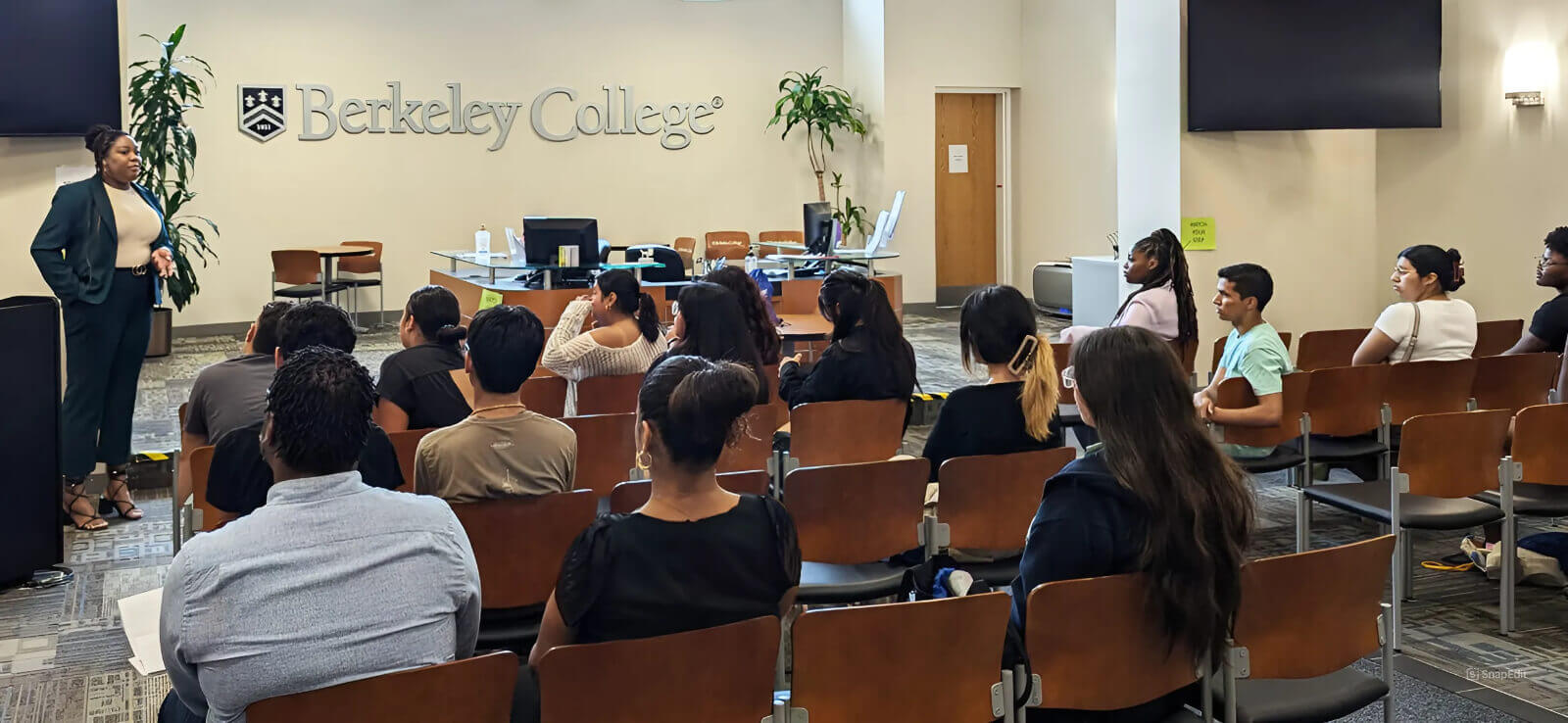
Berkeley College Summer Career Workshops draw record crowd of high school students
Patient Care Technician
Interior Design
Fashion
Criminal Justice
Nursing
Graphic Design
Woodland Park
Honors
High school students explore career options in summer workshops at Berkeley College
Medical Assistant
Woodbridge
Woodland Park
Nursing
Newark